
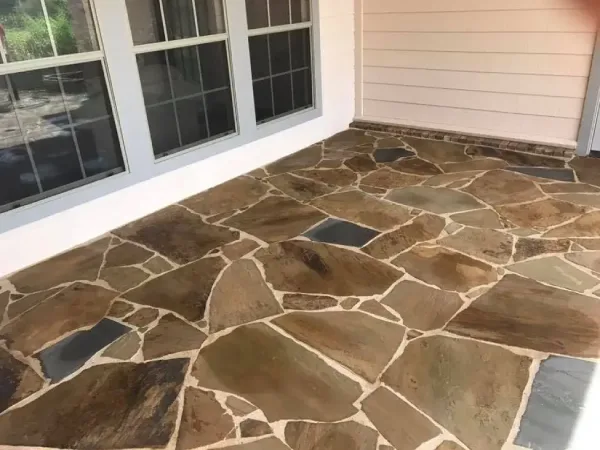
Stonework has a way of making a property feel more settled. A patio can give an awkward patch of yard a real purpose. A properly built stone wall can make a slope feel intentional instead of like a problem someone tried to hide. An outdoor fireplace or kitchen can also change how a family actually uses the space. What you see at the end, though, is only part of the story. Beneath that finished surface are decisions about the site, drainage, materials, preparation, and construction. Before you hire anyone, spend some time asking questions. The answers can tell you quite a bit about how the project will be handled.
1. Have You Completed Projects Similar to Mine?
Experience is useful, but the kind of experience matters. Someone who has built dozens of simple patios may not approach a retaining wall, fireplace, pool feature, or outdoor kitchen in quite the same way. Ask about projects that resemble yours in both size and complexity, and ask to see photographs of completed work when possible. Look closely at the details. Are the stone courses consistent? Do corners look properly finished? Does the work sit naturally against the house and landscape? We think those details say more about a contractor’s workmanship than a broad claim about how long the company has been in business. A conversation about previous projects can also uncover useful ideas for your own property.
2. Which Stone or Masonry Materials Do You Recommend?
The selection of stone is not just a matter of finding something that appears excellent in a picture. The material has to make sense for where it’s going and how the area is going to be used. Ask why your contractor recommends a particular stone and whether there are other materials worth considering. Talk about durability, maintenance, texture, color variation, and how the stone is likely to look as it weathers. Natural stone, for instance, rarely looks exactly like the sample you saw indoors, and that variation is often part of what makes it appealing. We would rather have that conversation before installation than explain later why the finished wall does not look exactly like a showroom display.
3. How Will You Handle Drainage and Site Preparation?
Drainage is easy to overlook because nobody hires a masonry contractor because they are excited about where rainwater will go. Still, it can be one of the most important parts of the job. Water needs a planned path, particularly around patios, retaining walls, outdoor structures, and other masonry that changes the existing grade. Ask how the site will be evaluated, how the base will be prepared, and what steps will be taken to keep water from collecting against the finished work. Existing slopes, soil conditions, nearby structures, and established drainage patterns can all affect the answer. We pay close attention to those conditions because beautiful stonework does not have much value if poor preparation creates problems later.
4. What Is Included in the Project Estimate?
A project price is useful only when you know what sits behind it. Ask whether the estimate includes materials, delivery, excavation or site preparation, installation, cleanup, and design assistance. Then ask the less comfortable question: what could make the price change? Not every unexpected condition can be identified before a project starts. Old structures, difficult soil, drainage problems, or access issues can occasionally require additional work. That is different from receiving a vague estimate and discovering a list of extras halfway through construction. When comparing masonry companies in Kyle, TX, compare the actual scope of work rather than simply circling the lowest number.
5. What Will the Installation Process Look Like?
You should not have to guess what is happening on your property once construction begins. Ask when the project is expected to start, what preparation comes first, how materials will be delivered, and how long the installation is likely to take. It is also worth discussing access. Large quantities of stone, equipment, and workers need to get to the work area somehow, and that access should be planned rather than improvised. Before the first day of construction, make sure you understand:
- Expected start date: When is the crew scheduled to begin work?
- Estimated completion: What is a realistic timeframe for the entire project?
- Site preparation: What needs to happen before the stonework is installed?
- Property access: How will workers, equipment, and materials reach the work area?
- Cleanup and inspection: How will the property be left once the work is finished?
Weather, delivery, or issues identified during preparation may change the schedule. That’s typical construction life. What is important is that you understand how those modifications will be conveyed and what they signify for the project.
6. What Support Do You Provide After Completion?
The final day of construction is not necessarily the end of the conversation. Ask what kind of maintenance the finished stonework will need, how it should be cleaned, and whether the contractor provides any workmanship warranty or guarantee. If something needs attention later, you should also know who to contact. When evaluating stonework contractors in Kyle, TX, this kind of after-project support deserves consideration alongside price, experience, and craftsmanship. Stone is durable, but even durable materials benefit from sensible care, and knowing what that care involves can protect the investment you have made in your property.
Conclusion
A stonework project deserves more thought than simply choosing a contractor who can give you the quickest estimate. Ask about previous work. Talk through materials. Look at the site together. Discuss drainage, preparation, access, pricing, scheduling, and what happens after the installation is finished. You will usually learn something from the answers, but you may learn just as much from how willing the contractor is to explain them. At TEXAS STONE MASONS, we approach each project with the property itself in mind, balancing the look of the finished stonework with the conditions that determine how well it will perform. If you are considering a new patio, wall, fireplace, outdoor kitchen, or another masonry project, contact us to discuss what you have in mind.
FAQs
1. What should I ask a stonework contractor before hiring them?
Ask about similar projects, recommended materials, drainage, project costs, timelines, and post-installation support.
2. Why should I ask about previous stonework projects?
Previous projects help you assess a contractor’s workmanship and experience with work similar to your own.
3. What should a stonework project estimate include?
A detailed estimate should clarify materials, delivery, site preparation, installation, cleanup, and potential additional costs.
4. Why is drainage important for stonework projects?
Proper drainage helps prevent water from collecting around patios, walls, and other masonry features, protecting the finished work.
5. What should I know about stonework maintenance after installation?
Ask about cleaning, maintenance requirements, workmanship warranties, and who to contact if the finished work needs attention.