
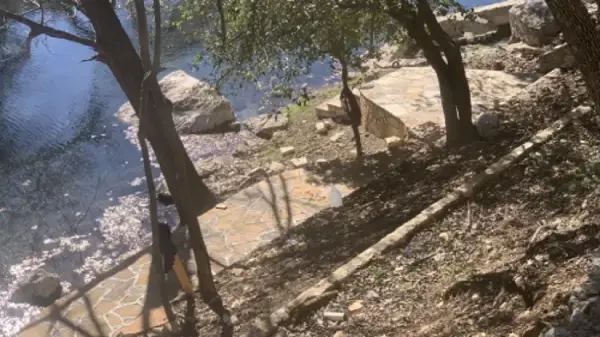
A yard without defined edges tends to feel unfinished. Soil washes downhill after heavy rain, slopes become hard to use, and open lawns offer no privacy or shape. Many homeowners in Central Texas know this frustration well. The fix is often simpler than people expect. A well-built stone wall holds the land in place, frames the space, and gives it a look that lasts for decades. Planning matters, though, and so does choosing the right team.
Quality stone wall construction in Buda, TX that homeowners rely on starts with understanding the site, the soil, and the purpose of the wall. Experienced masonry contractors in Lakeway, TX, that property owners trust can turn a plain yard into something with real presence. This guide explains how.
Why Outdoor Spaces Need Structure
Open ground is pleasant until you try to use it. A sloped yard, a bare property line, or a muddy corner leaves you guessing where things belong.
Walls give each area a job. They separate the patio from the garden, mark where the lawn ends, and turn awkward ground into usable space.
What a Stone Wall Does Besides Look Good
Stone works hard. It holds back soil, guides foot traffic, blocks wind, and softens noise from the street.
The look is a bonus, but a strong one. Natural stone has color and texture that fresh paint or manufactured panels rarely match, and it only gets better as moss and weather settle in.
Choosing Stone That Suits Central Texas
Limestone is the familiar choice around here, and for good reason. It is local, sturdy, and warm in tone, which fits Hill Country homes and landscapes.
Sandstone and fieldstone work too. The right pick depends on the style of your home, your budget, and how the wall will be used. A mason can show samples so you can see the real color in real light.
Retaining Walls for Slopes and Drainage
If your yard tilts, a retaining wall is often the first thing to consider. It creates level terraces, slows runoff, and protects foundations and driveways from shifting soil.
Drainage is the part people overlook. Gravel backfill and weep holes let water escape so pressure never builds behind the wall. Skip that step and even beautiful stonework can lean or crack.
Freestanding Walls for Privacy and Definition
A freestanding wall stands on its own, with no soil behind it. People use them along property lines, around pools, and at driveway entries.
Height matters. A knee-high wall defines a garden bed. A waist-high wall frames a patio. A taller one gives real privacy. Check local rules before settling on a height.
Seating Walls and Raised Planters
Some of the best walls double as furniture. A wide capstone gives guests a place to sit around a fire pit without crowding in extra chairs.
Raised planters work the same way. They lift plants off poor soil, keep roots tidy, and bring gardening up to a comfortable height.
Why Construction Quality Decides How Long It Lasts
A stone wall is only as good as what sits beneath it. A compacted base, proper footing, and correctly set stones keep the structure steady through years of heat and rain.
This is where careful stone wall construction Buda, TX owners can depend on separates itself from rushed work. Tight joints, even courses, and solid mortar take time, but they prevent repairs later.
How Local Conditions Shape the Design
Central Texas soil is not gentle. Clay expands when wet and shrinks when dry, and that movement stresses poorly built walls.
Sudden downpours add water pressure, while long summers bake the stone. Good builders plan for both. They adjust footing depth, drainage, and joint spacing so the wall handles real weather instead of ideal conditions.
Blending Walls With the Landscape
A wall should look like it belongs. Pair stone with native plants such as sage, agave, and ornamental grasses, and the structure settles into the yard.
Lighting helps too. Low voltage fixtures tucked into the wall highlight texture at night and make steps and edges safer.
Planning Budget and Timeline
Costs depend on height, length, stone type, and site access. A steep or hard-to-reach yard takes more labor than a flat one.
Most projects move faster than people expect, though weather can add a few days. Ask for a clear schedule upfront, and set aside a small cushion for surprises under the soil.
What to Ask Before Hiring a Mason
Start with experience. Ask to see finished projects and, if possible, walls that are several years old. Age shows how work holds up.
Then ask about drainage, base preparation, and warranty. Clear answers are a good sign. Reliable masonry contractors Lakeway TX homeowners consider are usually happy to explain each step and give a written estimate.
Mistakes That Shorten a Wall’s Life
Skipping drainage is the big one. Using stone that is too thin, building without a proper footing, and ignoring slope direction follow close behind.
Low-cost shortcuts look fine on day one. Two rainy seasons later, the difference shows. Doing it once and doing it right costs less in the end.
Keeping Your Stone Wall in Good Shape
Maintenance is light. Clear vines and debris, rinse off dirt now and then, and check mortar joints once a year.
Small cracks are easy to repair when caught early. Left alone, they let water in, and storms or temperature swings can widen them quickly. A quick look each season saves a lot of trouble.
Conclusion
A well-planned stone wall gives a yard shape, protects the land, and adds character that lasts for decades. With the right stone, proper drainage, and careful building, it becomes one of the most useful features outdoors.
At Texas Stone Masons, we build walls that hold up and look great. Our team handles stone wall construction Buda TX homeowners can count on, and our experienced masonry contractors in Lakeway, TX that property owners hire plan every detail, from footing to finishing. Call us today to discuss your project and request an estimate.
FAQs
1. Do I need a permit for a stone wall?
Many cities require permits for taller walls or retaining walls above a certain height. Check local rules before you begin.
2. What is the difference between a retaining wall and a freestanding wall?
A retaining wall holds back soil on a slope. A freestanding wall stands alone and is used for privacy or boundaries.
3. How tall can a stone wall be?
Height limits depend on local codes and the wall type. Walls over about four feet often need engineering or a permit.
4. Why is drainage so important behind a wall?
Trapped water builds pressure and pushes against the stone. Gravel and weep holes let it escape and protect the wall.
5. How long does installation usually take?
Small walls may take a few days, while larger projects can take a couple of weeks. Weather and site access can change the timeline.